Understanding Measured Building Surveys UK
Measured building surveys play a crucial role in the construction and property development industries. These surveys provide accurate and detailed data on existing structures, which is essential for planning renovations, extensions, or new builds. With the increasing complexity of modern architecture and the stringent regulations governing construction, the need for precise measurements has never been more critical. Whether you’re a contractor, architect, or property owner, understanding the intricacies of measured building surveys can help streamline your project. For comprehensive insights on Measured building surveys uk, it’s important to consult with experienced professionals.
What Are Measured Building Surveys?
Measured building surveys are precise assessments of a building’s dimensions and structure. They typically include detailed floor plans, elevations, and sections, capturing every architectural detail with accuracy. The surveys can be used for various purposes, including renovation projects, historical documentation, and compliance with planning regulations. The methods and technologies used to conduct these surveys have evolved significantly, incorporating advanced tools like laser scanning and photogrammetry to enhance precision and efficiency.
The Importance of Accurate Measurements
Accurate measurements are paramount in construction and renovation projects. An incorrect measurement can lead to costly mistakes, project delays, and potential legal issues. With detailed and precise data, architects and builders can make informed decisions, ensuring that designs align with the physical realities of the site. Additionally, accurate surveys are essential for compliance with building regulations and for securing planning permissions.
Key Components of a Measured Building Survey
A comprehensive measured building survey typically consists of several key components:
- Floor Plans: Detailed layouts of each level of the building, including all walls, doors, and windows.
- Elevations: External views of the building, showcasing height, dimensions, and design features.
- Sections: Cross-sectional views that illustrate the internal layout and structure.
- 3D Models: Utilising advanced technology, 3D models can provide an immersive view of the building.
When to Opt for Measured Building Surveys
Timing is crucial when it comes to engaging in measured building surveys. They can be pivotal at various stages of a project, helping to inform decisions and reduce risks. Knowing when to commission these surveys can significantly impact project outcomes.
Identifying Project Phases Requiring Surveys
Measured building surveys are often necessary during initial design phases, especially for renovation or extension projects where existing structures must be carefully considered. They are also essential when a property is being converted for a different use, such as changing a commercial space to residential. Additionally, before starting any major construction work, having an up-to-date survey can prevent misunderstandings and errors down the line.
Benefits of Early Engagement with Surveyors
Engaging with surveyors early in the project can provide valuable insights that influence design and construction approaches. Early surveys can highlight potential structural issues or planning complexities that may not be visible during initial evaluations. By addressing these factors early, you can save time and money, ensuring a smoother project progression.
Common Misconceptions About Timing
Many believe that measured building surveys are only needed at the start of a project, but this misconception can lead to problems. Surveys can also be beneficial in the middle of a project, particularly if changes are made to the initial design. Regular updates to measurements can help maintain project alignment with original plans, especially in large or complex developments.
Choosing the Right Surveying Service
Selecting the appropriate surveying service can have a lasting impact on the success of your project. A comprehensive understanding of the various factors involved in choosing a measured building surveyor is essential for ensuring accurate and reliable results.
Factors to Consider When Selecting Measured Surveyors
When choosing a surveying service, consider the following factors:
- Experience: Look for surveyors with a proven track record in similar projects.
- Technology: Ensure they use advanced techniques and equipment for accurate results.
- Reputation: Research reviews and feedback from previous clients to gauge reliability.
- Specialization: Some surveyors might specialize in specific types of buildings or sectors.
Evaluating Experience and Expertise
Experience matters significantly in the surveying industry. Surveyors with substantial experience often have the skills to navigate complex building regulations and understand the nuances of different property types. Check their portfolio and request references to evaluate their past work effectively.
Comparing Costs and Services
While cost should not be the sole factor in your decision, it is important to understand the pricing models of different surveyors. Ensure that you are comparing services accurately, as the cheapest option may not always provide the best value. Look for a balance between cost, quality, and the comprehensiveness of services offered.
Best Practices for Successful Measured Surveys
Conducting a successful measured building survey requires meticulous planning and execution. Following best practices can help ensure that you obtain the most accurate and useful data possible.
Preparing Your Site for Surveying
Proper site preparation is crucial for effective surveying. Ensure that the site is accessible and free from obstructions. Remove any furniture or equipment that may hinder the surveying process. Furthermore, all relevant documents related to the building’s structure should be available for reference to assist surveyors in their work.
What to Expect During the Survey Process
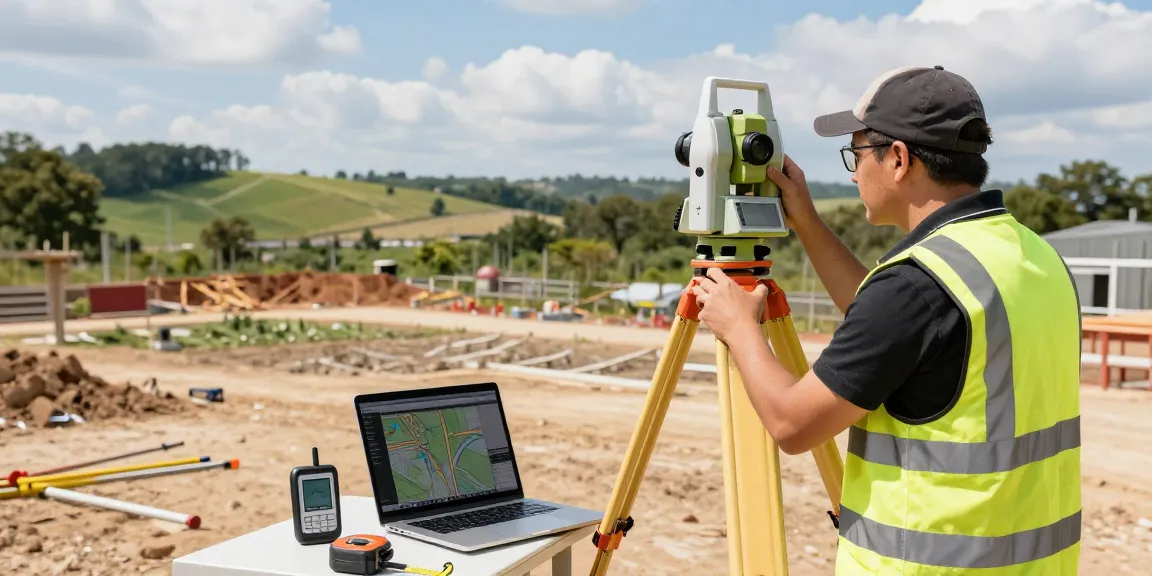
The survey process typically involves various stages, including initial assessments, on-site measurements, and data compilation. Surveyors will use tools such as laser scanners, theodolites, and tape measures to gather accurate data. Expect the process to take anywhere from a few hours to several days, depending on the size and complexity of the building.
Post-survey Steps for Implementation
Once the survey is complete, it’s essential to review the findings thoroughly. Surveyors usually provide detailed reports and drawings, which should be analyzed carefully to inform design and construction processes. Make sure to involve all relevant stakeholders in discussions about the findings to ensure everyone is aligned on the next steps.
Future Trends in Measured Building Surveys UK
The field of measured building surveys is continually evolving, influenced by emerging technologies and changing industry needs. Understanding these trends can help you stay ahead in your projects.
Emerging Technologies in Surveying
Technological advancements are revolutionizing how measured building surveys are conducted. Innovations such as drones for aerial surveys and software for 3D modelling are becoming increasingly common. These tools enhance data collection accuracy and provide richer datasets that facilitate better decision-making.
How Sustainability is Influencing Survey Techniques
As sustainability becomes a bigger focus in construction, surveyors are adapting their methods to support eco-friendly practices. This includes assessing energy efficiency and the environmental impact of building materials. Measured surveys are now integral in determining how buildings can be optimized for sustainability.
Predictions for 2026 and Beyond
Looking ahead, the future of measured building surveys in the UK is likely to see increased integration of AI and machine learning. These technologies can analyze large datasets, aiding in predictive modelling and enhancing precision in surveying. As legislation continues to evolve, surveys will also need to adapt to maintain compliance with new standards and regulations, ensuring that they remain a critical component of successful construction projects.
What types of projects benefit from measured building surveys?
Measured building surveys are beneficial across a wide array of projects, including residential renovations, commercial developments, and historical restorations. They are particularly crucial when changes to current structures are involved, providing vital information that can streamline the design and build process.
How can measured building surveys improve project outcomes?
Accurate and detailed measured building surveys can significantly enhance project outcomes by enabling better planning and reducing the potential for costly errors. They ensure that all stakeholders have a clear understanding of the existing conditions, allowing for informed decisions throughout the project lifecycle.
What are the common challenges faced during surveying?
Surveying can present various challenges, including site accessibility, environmental conditions, and unforeseen structural issues. Effective communication and thorough planning can mitigate many of these challenges, ensuring a smooth survey process.
How to ensure accuracy in measured building surveys?
Ensuring accuracy involves using the right technology, employing experienced surveyors, and adhering to industry standards and practices. Double-checking measurements and validating data against project requirements are also critical steps in maintaining high-quality survey outcomes.
What innovations are shaping the future of building surveying?
Innovations such as Building Information Modelling (BIM), laser scanning, and drone surveys are shaping the future of building surveying. These innovations increase accuracy, reduce time on site, and provide comprehensive data that enhances overall project efficiency.