
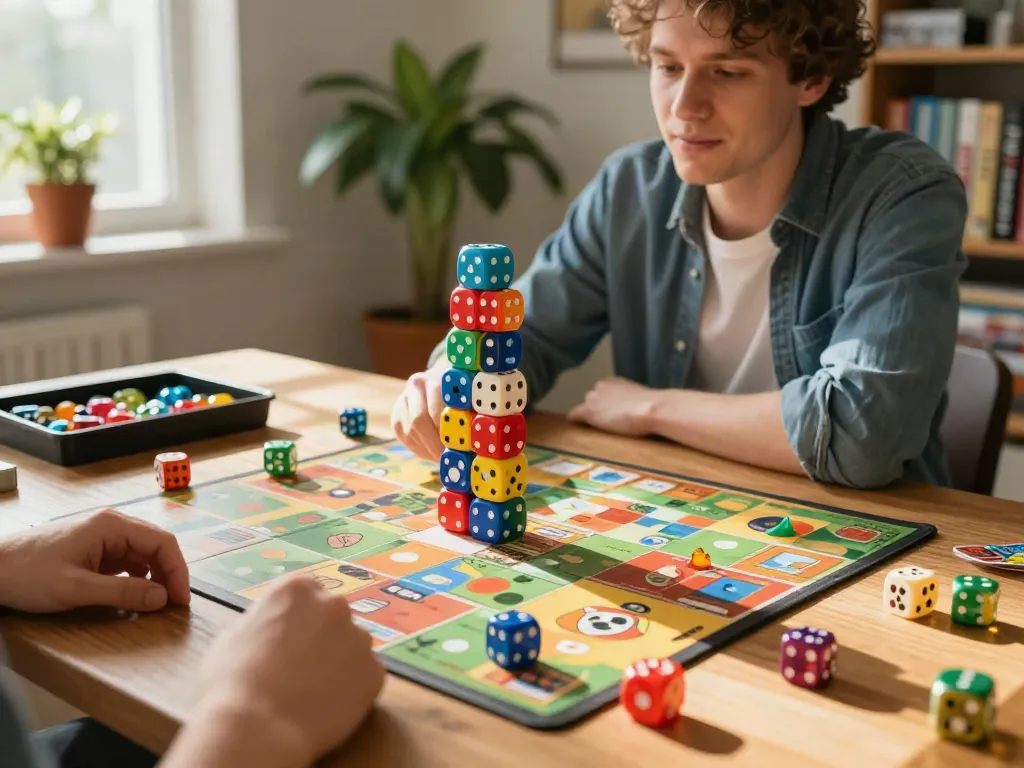
Understanding Dice Stacking: The Basics
Dice stacking is more than just a casual pastime; it’s an intricate performance art that challenges enthusiasts to skillfully balance dice in a vertical column, often while involving various tricks and techniques. This fascinating art form has garnered attention globally, captivating both casual observers and serious competitors alike. Whether you are a newcomer eager to explore or a seasoned stacker seeking to refine your skills, understanding the fundamentals of dice stacking is essential for success. When exploring options, dicestack.net offers comprehensive insights into techniques, resources, and the vibrant community surrounding this captivating activity.
What is Dice Stacking?
Dice stacking involves scooping up multiple dice with a dice cup and deftly balancing them on top of each other, creating a vertical tower. A perfect stack can consist of an array of dice, from standard gaming dice to specialized stacking dice designed to enhance the experience. The skill lies not only in the physical dexterity required to stack the dice but also in the mental focus necessary to maintain balance and prevent the inevitable collapse of the tower.
The History of Dice Stacking and Its Popularity
The origins of dice stacking can be traced back to ancient cultures where dice were used not just for games but also for divinatory purposes and decision-making. However, it gained prominence as a performance art in the late 20th century, especially in Japan, where performers began showcasing their skills in variety shows. Today, dice stacking has evolved into a respected global community, with enthusiasts sharing techniques, competing, and innovating in their methods. The rise of social media platforms has further amplified this popularity, enabling stackers to exhibit their skills to a wider audience.
Essential Equipment for Beginners
To get started with dice stacking, you don’t need an extensive array of tools, but having the right equipment can make a significant difference in your practice and performance. Essential items include:
- Stacking Dice: These are often designed with a slightly different shape and weight distribution than regular dice, which aids in stability.
- Dice Cup: A good dice cup allows for smooth scooping and releasing of dice, which is crucial for creating a successful stack.
- Mat or Surface: A stable, flat surface helps in preventing slippage and aids overall stability during stacking.
Techniques to Improve Your Dice Stacking Skills
Improving your dice stacking skills requires practice and by employing specific techniques, you can enhance your proficiency significantly. Below, we explore fundamental and advanced techniques as well as common pitfalls to avoid.
Fundamental Stacking Techniques for Beginners
For beginners, mastering a few fundamental techniques is essential. Start with:
- Basic Scoop: Learn how to scoop the dice from a flat surface. This technique involves gently tilting the cup while ensuring it remains stable.
- Balancing: Focusing on the center of gravity of the dice helps in keeping the stack balanced, reducing the chances of collapse.
- Practice Stacking: Initially, stack just one or two dice and gradually increase the number as your skill improves.
Advanced Techniques for Seasoned Stackers
Once you have grasped the basics, move on to advanced techniques that can set you apart from other stackers:
- The Flip Technique: This method involves flipping the cup upside down as you stack the last die, creating an impressive visual effect.
- Spinning the Stack: Adding motion to your stack can be a show-stopping move, but it requires significant control and confidence.
Common Mistakes and How to Avoid Them
Even experienced stackers can fall victim to common mistakes:
- Rushing: Taking your time is crucial; rushing can lead to instability and collapse.
- Poor Grip: Ensure you are using a proper grip on the dice cup to avoid accidentally dropping dice during stacking.
Creating an Ideal Environment for Dice Stacking
The right environment can markedly affect your performance in dice stacking. Here’s how to set up your space:
Setting Up a Comfortable Workspace
A clutter-free and comfortable workspace allows you to focus better. Choose a location with minimal distractions, ensuring that you have all your equipment readily available.
Choosing the Right Lighting for Visibility
Good lighting is essential to see the details of your stacking action. Natural light works best, but if that’s not an option, consider using adjustable lamps to illuminate your workspace adequately.
Incorporating Accessories to Enhance the Experience
Accessories such as mats with grip surfaces or custom-made dice trays can enhance your stacking experience, providing better stability and preventing unwanted movement.
Community and Resources for Dice Stackers
Joining a community of fellow dice stackers can provide motivation and support. Here are some avenues to explore:
Online Forums and Groups for Sharing Techniques
Platforms like Reddit and specialized Facebook groups are great for sharing experiences, seeking feedback, and learning new techniques from fellow enthusiasts worldwide.
Popular Dice Stacking Competitions and Events
Various events and competitions occur globally, where stackers compete for titles and recognition. Participation in these events can be a rewarding experience that challenges your skills.
Recommended Websites and YouTube Channels
Numerous resources can help you refine your skills, including instructional websites and YouTube channels that provide tutorials, tips, and showcases of advanced techniques.
Future Trends in Dice Stacking for 2026 and Beyond
As dice stacking continues to grow, several emerging trends are expected to shape its future:
Innovations in Dice Design and Materials
Advancements in technology could lead to the creation of new dice with enhanced features that could significantly improve stacking. Look for die materials that offer better grip and weight distribution.
Emerging Communities and Global Growth
As more individuals discover dice stacking, the community will likely expand, with local clubs and online forums proliferating. This growth will foster collaboration and knowledge sharing.
Predicted Changes in Competitions and Gameplay
Future competitions may incorporate new formats and challenges, making them more dynamic and engaging for participants and spectators alike.
What are the best dice for stacking?
While standard dice can be used, specially designed stacking dice often feature rounded edges and optimal weight distribution, making them preferable for serious stackers.
How can I practice my dice stacking skills effectively?
Regular practice is key. Set aside dedicated time each week to focus on your stacking techniques, gradually increasing the complexity as you improve.
What common challenges do new players face?
New players often struggle with maintaining balance and developing a steady hand. Patience and consistent practice can help overcome these obstacles.
Are there specific events or competitions for dice stacking?
Yes, many local and international competitions celebrate dice stacking, where participants can showcase their skills and participate in friendly rivalries.
How can I build a community around dice stacking?
Start by connecting with local players, organizing practice sessions, or creating online platforms where enthusiasts can share their passion and knowledge.